Herpes Dating for Gay, Bi, and Queer Singles
Dating can feel complicated when you are navigating a herpes diagnosis, but it does not mean that meaningful relationships, romance, friendship, or companionship are out of reach. For gay, bisexual, and queer singles, finding someone who understands both their identity and their experiences with herpes can make dating feel more comfortable and genuine. Herpes Dating for Gay, Bi, and Queer Singles is about creating space for honest conversations, mutual understanding, and relationships built on trust rather than judgment.
Understanding Herpes and Dating
Herpes is a common viral infection that can affect people of all genders and sexual orientations. Because herpes can sometimes carry unnecessary stigma, people may worry about how a potential partner will react after learning about their diagnosis. These concerns can make starting a new relationship feel stressful.
For many people, learning accurate information about herpes is an important first step. Understanding transmission, symptoms, testing, prevention, and treatment can help individuals communicate more confidently. Dating should not be defined by a diagnosis. A person living with herpes still has the same ability to develop emotional intimacy, enjoy companionship, and build a healthy relationship.
Creating a Comfortable Dating Experience
A comfortable dating experience often starts with being around people who understand that health information is only one part of someone’s story. Gay, bi, and queer singles may already have unique experiences related to dating and identity, and adding herpes to those conversations can sometimes feel overwhelming.
Gay Bi Queer Dating communities can provide opportunities to connect with people who value openness and acceptance. Whether someone is interested in a serious relationship, friendship, or simply meeting people with similar experiences, respectful communication can help create stronger connections.
Building Confidence After a Herpes Diagnosis
A herpes diagnosis can affect confidence, especially when someone is thinking about dating again. It is normal to have questions about disclosure, rejection, relationships, and intimacy. However, a diagnosis does not determine someone’s value or ability to be loved.
Moving Beyond Herpes Stigma
One of the biggest challenges surrounding herpes is often the stigma rather than the medical condition itself. Misunderstandings and outdated assumptions can make people feel isolated. Education and honest conversations can help reduce that stigma.
Herpes Dating can become easier when people approach each other with empathy and realistic expectations. Instead of assuming how someone will react, give conversations room to develop naturally. A potential partner may already understand herpes, may know someone who has it, or may simply be willing to learn.
Finding People Who Value Honesty
Healthy relationships are generally built on trust, respect, communication, and shared expectations. Someone who appreciates honesty is more likely to have a thoughtful conversation about sexual health rather than react based on misinformation.
For Queer Singles Dating, finding compatible people can involve looking beyond a single shared experience. Sexual orientation, personality, interests, lifestyle, values, and relationship goals can all influence compatibility. Herpes may be an important part of a person’s health conversation, but it does not need to become the entire focus of their identity.
Disclosure and Communication in Dating
Disclosure is an important part of responsible dating when herpes may affect a partner’s health. The timing and setting of the conversation can depend on the relationship and circumstances, but it should happen before sexual activity that could create a transmission risk.
How to Approach the Conversation
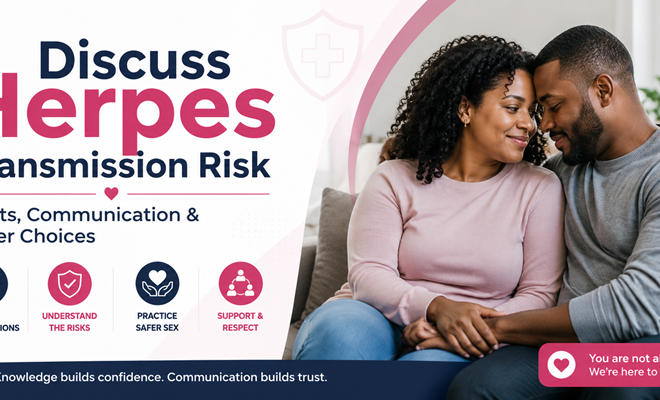
A herpes conversation does not have to feel like a formal announcement. Choose a private and comfortable setting where both people have enough time to talk without pressure. Explain that you have herpes, share what you know about your condition, and give the other person an opportunity to ask questions.
Herpes Disclosure can be easier when the conversation is factual and calm. Avoid presenting yourself as something that needs to be accepted or rejected. Instead, treat sexual health as a normal part of responsible communication between adults.
It is also important to understand that disclosure does not guarantee a particular response. Some people may need time to process the information, while others may already be comfortable with it. Respecting someone’s decision while maintaining your own self-respect can make dating experiences healthier.
Safe and Respectful Herpes Dating
Dating while living with herpes involves making informed decisions about sexual health. People should discuss prevention strategies with their healthcare professionals and potential partners. Depending on the type of herpes, symptoms, sexual activity, and individual circumstances, healthcare professionals can provide guidance about available treatment and ways to reduce transmission risk.
Respecting Different Relationship Goals
Not everyone is looking for the same kind of relationship. Some people want long-term commitment, while others may prefer friendship or casual dating. Clear communication about expectations can help prevent misunderstandings.
LGBTQ Herpes Dating can be a positive experience when people feel free to communicate about identity, health, boundaries, and relationship goals. Respect should remain central regardless of whether two people ultimately become partners or simply decide they are not compatible.
Connecting Through Shared Experiences
People often feel more comfortable when they meet others who understand parts of their experience. Shared experiences can make it easier to talk about concerns that might otherwise feel difficult to explain.
Building Meaningful Connections
A strong connection is about more than having the same diagnosis. It can develop through shared interests, humor, emotional compatibility, communication styles, and similar goals. Someone living with herpes deserves relationships where they feel respected as a complete person.
Gay Herpes Dating can help normalize conversations that many people may initially find uncomfortable. When people approach dating with openness and patience, a health diagnosis becomes one part of a much larger relationship story.
Supporting Yourself While Dating
Self-care is important throughout the dating process. Rejection can happen to anyone, regardless of health status, appearance, age, or sexual orientation. If someone decides that they are not comfortable dating a person with herpes, that does not mean the person with herpes is undesirable or unworthy of love.
Choosing Respect Over Pressure
Nobody should feel pressured to hide their health status or continue a relationship where they experience disrespect. Healthy dating involves mutual consent, boundaries, and honest communication.
Bi Herpes Dating can be approached with the same principles that apply to any healthy relationship: communicate openly, respect boundaries, learn about sexual health, and give relationships time to develop naturally.
Frequently Asked Questions
Is herpes common among gay, bi, and queer singles?
Herpes can affect people regardless of sexual orientation or gender identity. Because it is common, many gay, bisexual, and queer people have personal experience with HSV or know someone who does. Reliable health information can help replace fear and misconceptions with a better understanding of the condition.
Can someone with herpes have a healthy relationship?
Yes. A herpes diagnosis does not prevent someone from having a loving and healthy relationship. Partners can discuss sexual health, prevention, treatment options, boundaries, and expectations together. Professional medical advice can also help couples make informed decisions.
When should I tell someone I have herpes?
It is generally important to disclose before sexual activity that could expose the other person to herpes. Choose a private setting where you can have an honest conversation without pressure. Give the other person time to ask questions and make an informed decision.
What if someone rejects me after disclosure?
Rejection can hurt, but it does not define your worth. People have different comfort levels and boundaries around sexual health. The goal is not to convince everyone to date you but to find people who can communicate respectfully and make decisions based on accurate information.
Can herpes dating lead to serious relationships?
Absolutely. A diagnosis does not prevent emotional intimacy or long-term commitment. Successful relationships are based on many factors, including compatibility, trust, communication, respect, and shared goals.
Should I only date someone who also has herpes?
Not necessarily. Some people prefer connecting with partners who share their experience, while others are comfortable dating someone who does not have herpes. The right choice depends on individual preferences, communication, and each person’s understanding of sexual health.
Finding Connection Without Letting Herpes Define You
Dating as a gay, bisexual, or queer person with herpes can come with questions and uncertainty, but it can also create opportunities for deeper communication and greater self-awareness. Being honest about sexual health can help establish trust and allows both people to make informed decisions. Gay Bi Queer Singles deserve the opportunity to build relationships based on who they are, not simply on a diagnosis. With accurate information, respectful disclosure, healthy boundaries, and patience, dating can become a more confident and positive experience.
Herpes is a health condition, not a definition of someone’s personality, identity, attractiveness, or future. Meaningful relationships are created through understanding, communication, respect, and genuine compatibility. For anyone exploring Herpes Dating for Gay, Bi, and Queer Singles, the most important goal is to create connections where everyone feels informed, respected, and comfortable being themselves.